Hello, welcome to China Lift Sling Net Belt Factory
语言选择:  ∷
∷ 
∷ ∷ 


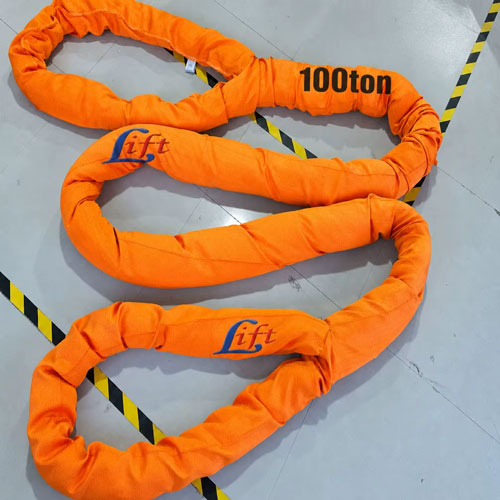
Lift Sling Net Belt Factory produce Synthetic Lifting Sling,Synthetic web sling,Synthetic Rope Sling.
Synthetic Lifting Sling: Professional Product Introduction
Overview of Synthetic Lifting Sling
A Synthetic Lifting Sling is a high-performance, flexible lifting device specifically engineered for safely and efficiently hoisting, moving, and positioning heavy loads across a wide range of industrial applications. Unlike traditional metal lifting tools such as chain slings or wire rope slings, Synthetic Lifting Sling is made from high-strength synthetic fibers, combining lightweight design with exceptional durability and load-bearing capacity. It has become an indispensable tool in modern lifting operations, thanks to its unique advantages that address the limitations of conventional lifting equipment and meet the diverse needs of various industries.
Synthetic Lifting Sling is designed to prioritize safety, efficiency, and load protection, making it suitable for both routine lifting tasks and complex, high-demand operations. Whether in construction sites, manufacturing plants, ports, mining operations, or logistics warehouses, Synthetic Lifting Sling delivers reliable performance, reduces operational risks, and optimizes workflow efficiency.
Core Types of Synthetic Lifting Sling
Synthetic Lifting Sling is available in several main types, each tailored to specific lifting scenarios and load characteristics. The two most common and widely used types are Flat Webbing Synthetic Lifting Sling and Round Synthetic Lifting Sling, with additional specialized variants to meet unique industry requirements.
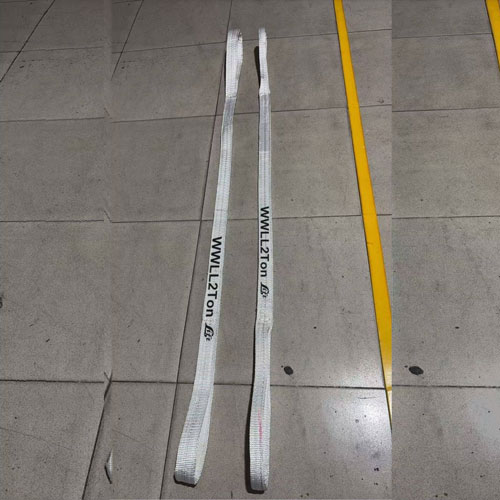
1. Flat Webbing Synthetic Lifting Sling
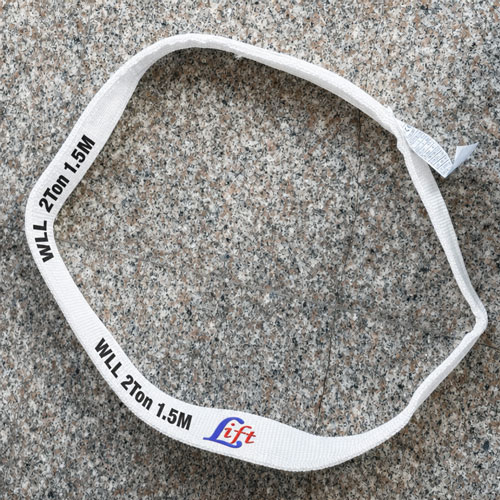
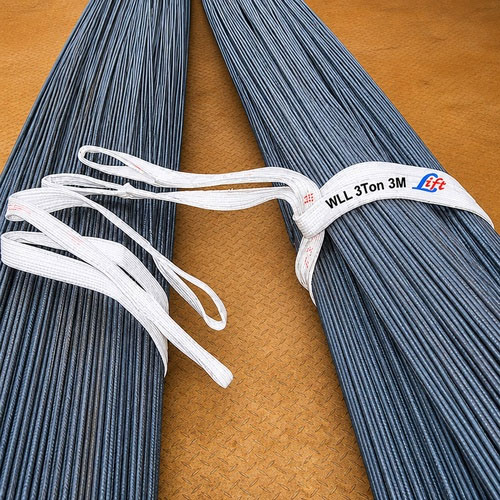
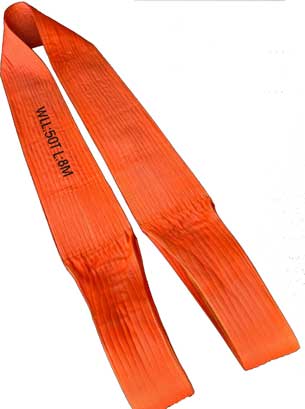
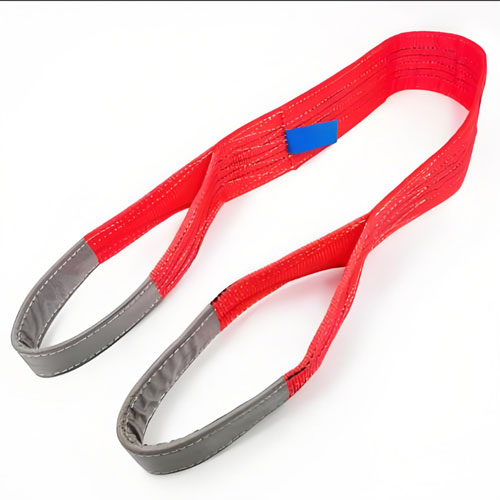
Flat Webbing Synthetic Lifting Sling is crafted from high-quality woven polyester or nylon fibers, featuring a flat, wide surface that ensures even load distribution. This type of Synthetic Lifting Sling is highly flexible, allowing it to conform closely to the shape of flat or regular-shaped loads, thereby reducing pressure points and preventing load damage. It is often color-coded according to industry standards (such as EN 1492-1 and ASME B30.9) to enable quick identification of working load limits (WLL), with Class 5 and Class 7 slings typically marked yellow and a safety factor of 8:1.
Ideal for lifting delicate or finished surfaces, Flat Webbing Synthetic Lifting Sling is lightweight, easy to handle, and simple to store, making it a popular choice in manufacturing, construction, and logistics for lifting items such as precast panels, machinery components, and packaged goods.
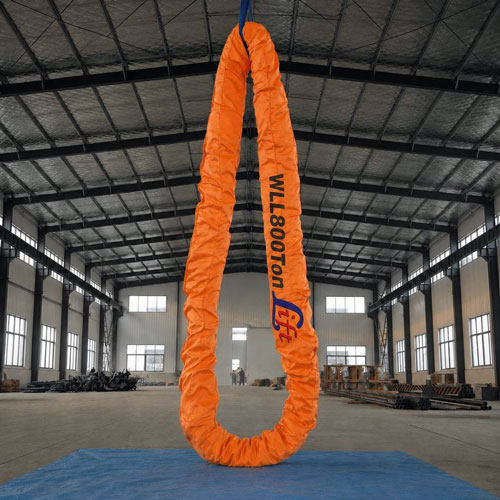
2. Round Synthetic Lifting Sling
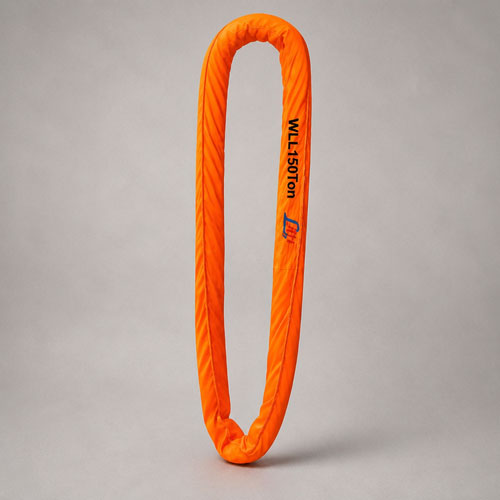
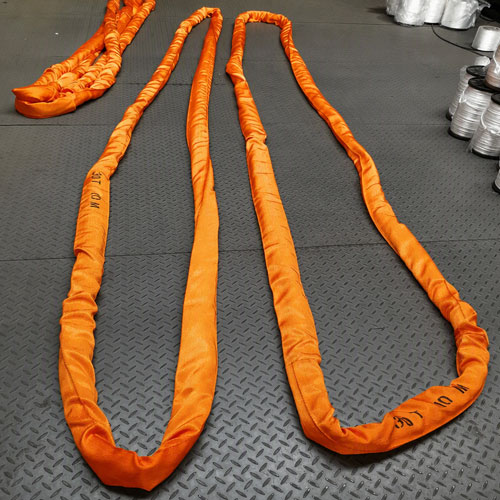
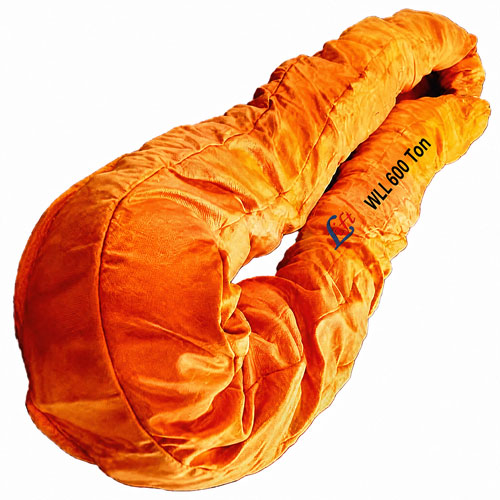
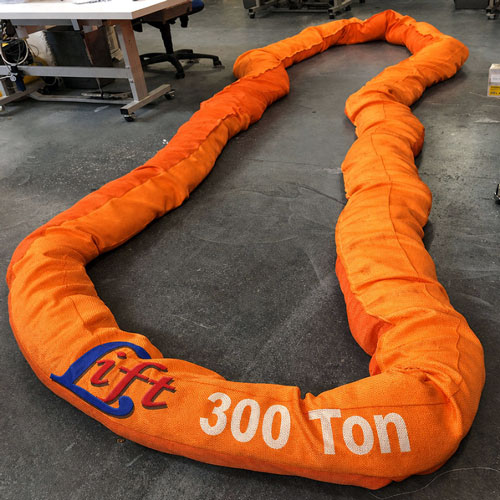
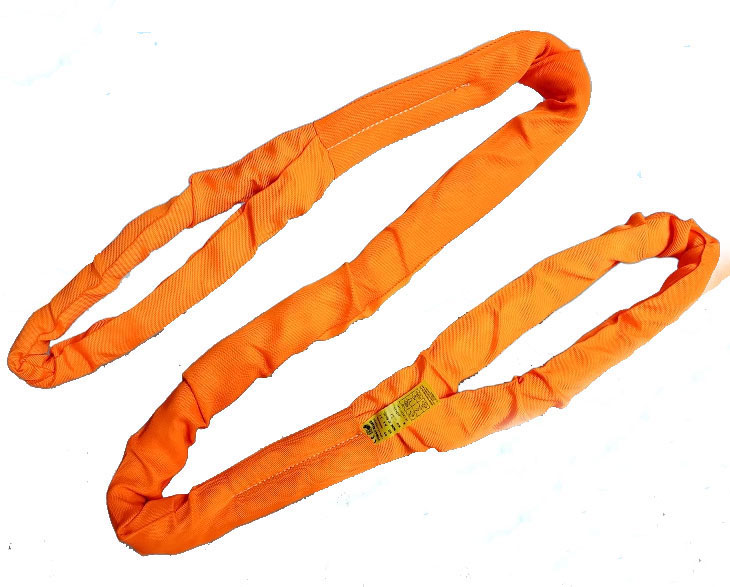
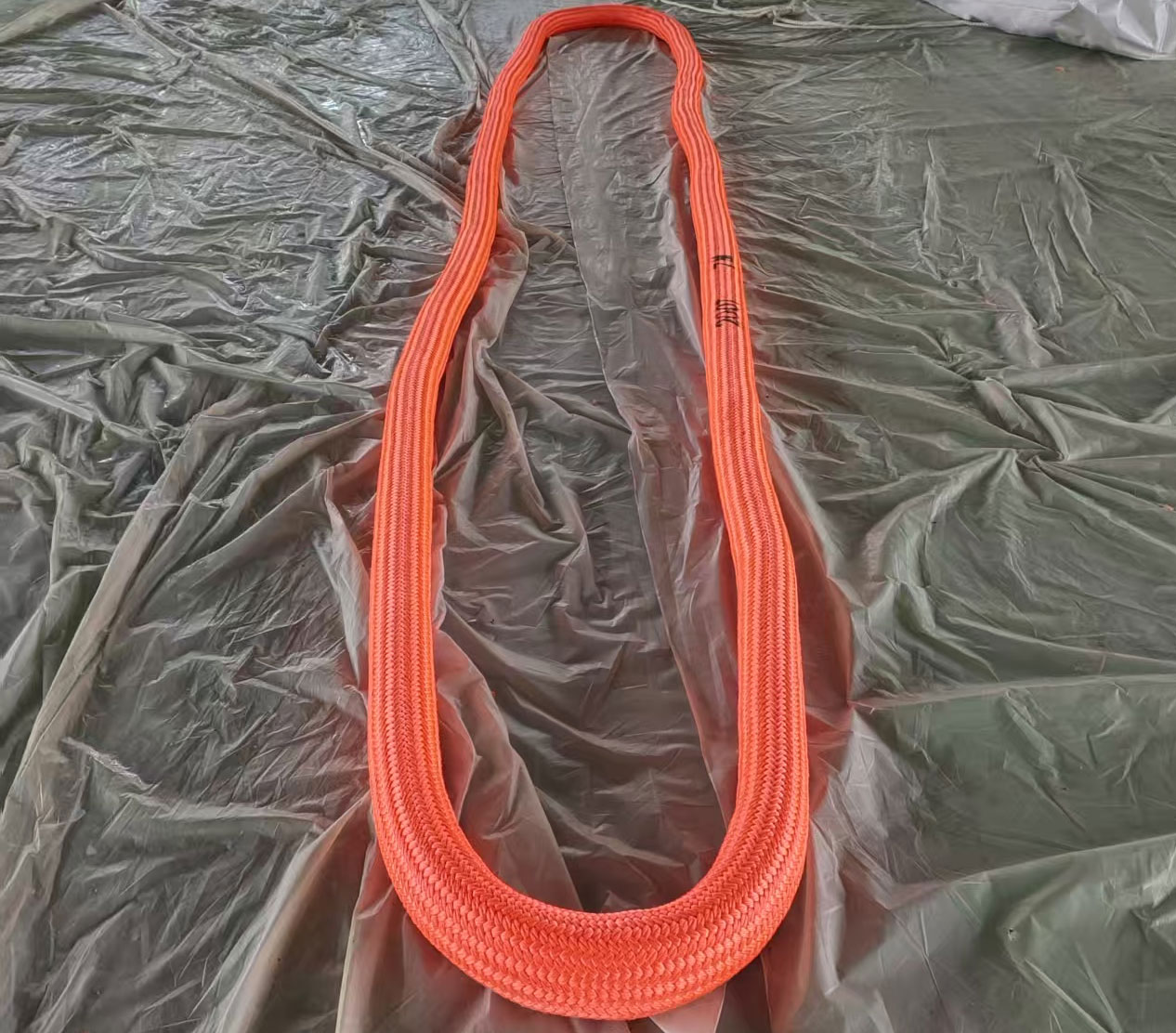
Round Synthetic Lifting Sling consists of continuous loops of high-strength synthetic fiber yarns (usually polyester or nylon) encased in a protective woven jacket. The protective sleeve not only safeguards the inner core fibers from abrasion, cuts, and environmental damage but also prevents scratches on the lifted items. This type of Synthetic Lifting Sling offers excellent flexibility and load distribution, making it perfect for lifting irregularly shaped, heavy, or fragile loads.
Round Synthetic Lifting Sling is also color-coded in compliance with international standards (EN 1492-2:2000, ASME/ANSI B30.9) for easy WLL identification. It is widely used in mining, offshore operations, wind power, and heavy industry, capable of handling loads up to 200 tonnes or more, and does not store energy like wire rope or chain slings, reducing the risk of rebound during lifting.
3. Specialized Synthetic Lifting Sling
In addition to the two main types, there are specialized variants of Synthetic Lifting Sling to adapt to specific working environments. For example, Eye & Eye Synthetic Lifting Sling features reinforced loops at both ends for secure attachment to hooks or shackles, suitable for vertical, choker, or basket hitches. Polypropylene Synthetic Lifting Sling is lightweight, water-resistant, and cost-effective, ideal for marine and wet environments. Aramid Synthetic Lifting Sling, made from heat-resistant fibers, is suitable for high-temperature applications where other synthetic slings may degrade.
Key Features & Advantages of Synthetic Lifting Sling
Synthetic Lifting Sling stands out from traditional lifting tools due to its unique combination of performance and practicality, offering numerous advantages that enhance operational safety and efficiency:
1. Lightweight & Easy to Handle
Compared to chain or wire rope slings, Synthetic Lifting Sling is significantly lighter, reducing operator fatigue during transportation, rigging, and storage. Its flexible design allows for easy maneuvering in tight spaces, making it suitable for operations where heavy lifting equipment is difficult to access.
2. Load Protection & Non-Abrasive
The soft, non-abrasive surface of Synthetic Lifting Sling prevents scratches, dents, or damage to delicate, polished, or painted loads—an advantage that metal slings cannot match. This makes Synthetic Lifting Sling ideal for lifting precision equipment, aerospace components, automotive parts, and fragile cargo.
3. High Strength & Safety Factor
Synthetic Lifting Sling is engineered from high-strength synthetic fibers, boasting an impressive strength-to-weight ratio. It typically has a safety factor of 8:1 or higher, ensuring reliable performance even under unexpected load variations. Additionally, synthetic fibers do not rust, corrode, or kink, reducing the risk of sudden failure.
4. Cost-Effective & Durable
Synthetic Lifting Sling is more affordable than chain slings and requires minimal maintenance. Its resistance to abrasion, moisture, and most chemicals (depending on the fiber type) ensures a long service life, reducing replacement costs and downtime. Unlike metal slings, it does not require regular lubrication or anti-corrosion treatment.
5. Versatility & Adaptability
Synthetic Lifting Sling is available in a wide range of lengths, load capacities (from light to ultra-heavy), and configurations, making it suitable for almost any lifting application. It can be used in vertical, choker, or basket hitches, and can be customized to meet specific industry needs, such as high-temperature, chemical-resistant, or water-resistant requirements.
Applications of Synthetic Lifting Sling
Due to its versatility and performance, Synthetic Lifting Sling is widely used across various industries, becoming a core tool in lifting and rigging operations. Some of the key application areas include:
1. Construction Industry
In construction sites, Synthetic Lifting Sling is used to lift and move construction materials such as rebar, formwork, precast panels, steel beams, and concrete components. Its lightweight and flexible design make it easy to use with cranes and other lifting equipment, even in complex construction environments.
2. Manufacturing & Automotive
Synthetic Lifting Sling is essential in manufacturing plants for lifting machinery, tooling, steel components, and finished products. In automotive production lines, it is used to hoist engines, transmissions, and body parts, as it prevents damage to the delicate surfaces of these components.
3. Ports & Logistics
In ports and logistics warehouses, Synthetic Lifting Sling is widely used for container handling, bulk material movement, and lifting irregularly shaped cargo such as boats, machinery, and packaged goods. Its resistance to abrasion and extreme weather conditions makes it reliable in harsh marine environments.
4. Mining & Heavy Industry
In surface mining operations, Synthetic Lifting Sling (especially round slings) is used for equipment recovery and heavy load lifting, thanks to its high performance, low elongation, and ability to handle loads up to hundreds of tonnes. It is also used in oil & gas operations for lifting pumps, drilling equipment, and offshore containers.
5. Aerospace & Precision Equipment
Synthetic Lifting Sling is ideal for lifting valuable, sensitive aerospace components and precision equipment, as its non-abrasive surface prevents scratches and deformation. It is also used in wind power operations to hoist large structural parts such as wind turbine blades and towers.
Safety Guidelines & Maintenance of Synthetic Lifting Sling
To ensure the safe and long-term use of Synthetic Lifting Sling, proper inspection, usage, and maintenance are essential. Following these guidelines will maximize operational safety and extend the service life of the sling:
1. Pre-Use Inspection
Before each use, inspect the Synthetic Lifting Sling for signs of damage, including cuts, tears, abrasion, broken stitching, chemical or heat damage, and deformation. Check that the permanent label (indicating WLL, material, manufacturer details, and serial number) is clear and intact. If any damage is found, the sling must be immediately taken out of service.
2. Proper Usage
Never exceed the working load limit (WLL) of the Synthetic Lifting Sling. Avoid using the sling with sharp edges without protective sleeves or padding, as this can cause cuts and damage to the fibers. Do not knot, twist, or drag the sling, and ensure smooth, steady lifting to avoid impact loads, which can significantly reduce the sling’s strength.
3. Maintenance & Storage
After use, clean the Synthetic Lifting Sling with water and neutral soap to remove dirt, grease, or chemical residues, then dry it in a cool, ventilated area away from direct sunlight and heat sources. Store the sling in a dry, clean space, avoiding contact with chemicals, moisture, and sharp objects. Hang the sling on a smooth rack or lay it flat to prevent creasing or damage.
4. Compliance with Standards
Ensure that the Synthetic Lifting Sling complies with international standards such as EN 1492, ASME B30.9, and OSHA guidelines. Regularly conduct detailed inspections by qualified personnel and maintain a usage and inspection record. Any sling that fails inspection or reaches the end of its service life must be permanently discarded and destroyed to prevent accidental reuse.
Why Choose Our Synthetic Lifting Sling?
Our Synthetic Lifting Sling is manufactured using high-quality synthetic fibers and advanced production technology, strictly adhering to international safety standards. We offer a full range of types, sizes, and load capacities, including custom solutions tailored to your specific operational needs. Our Synthetic Lifting Sling combines exceptional strength, durability, and safety, ensuring reliable performance in the most demanding environments.
With a focus on quality control and customer satisfaction, we provide comprehensive after-sales support, including technical guidance on usage, inspection, and maintenance. Choose our Synthetic Lifting Sling for a safe, efficient, and cost-effective lifting solution that enhances your operational productivity and reduces risks.
 Sweep WeChat yards pay attention to us

24-hour hotline0523-86933296

The mobile phone13961011588
Copyright © China Lift Sling Net Belt Factory & Copyright Address:JiangPing East road, TianHe Town, TaiZhou City,JiangSu Procince,China 苏ICP备10051201号-3